





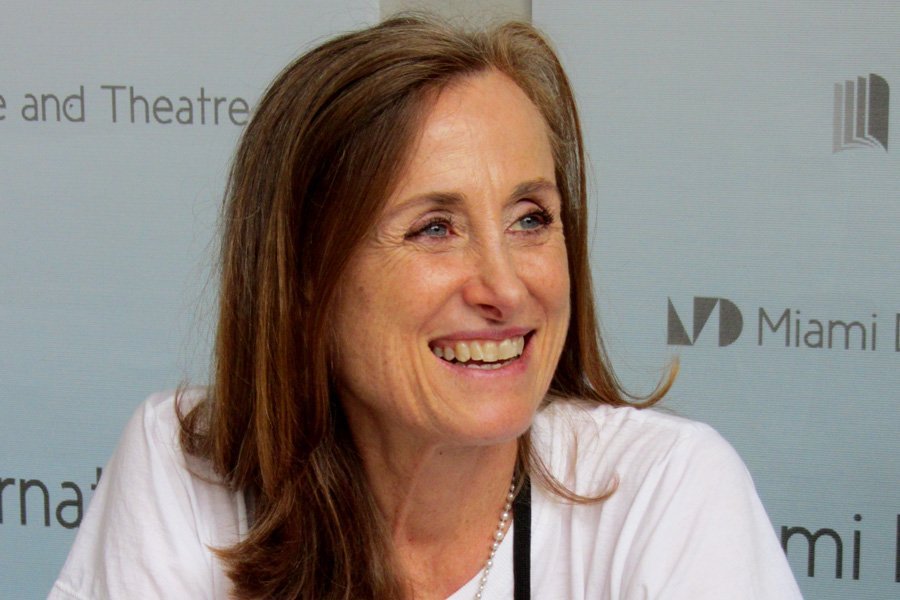
Joanne Schieble Simpson is best known as the biological mother of Apple co-founder Steve Jobs. Her life intersected with one of technology’s most influential figures in ways that remained largely private for decades, only coming into public focus after Jobs’s own rise to prominence. Readers exploring joanne schieble simpson will also find context in Gwendolyn Lee Byrd: Career, Life, and Public Record
Early Life and the Circumstances of Steve Jobs’s Birth
Joanne Schieble was born in the United States and raised in a Catholic household of German ancestry. In the mid-1950s, she was pursuing graduate studies at the University of Wisconsin when she met Abdulfattah Jandali, a Syrian student who had traveled to the United States for his education. The two developed a romantic relationship that resulted in a pregnancy in 1955. At the time, the social climate surrounding unwed motherhood was deeply conservative, particularly within Schieble’s own family. Her father reportedly reacted with strong disapproval, and the pressure to avoid a public scandal was considerable. wikipedia.org/wiki/Mona_Simpson” rel=”noopener noreferrer” target=”_blank”>Mona Simpson
According to multiple published accounts, Schieble traveled to San Francisco to give birth away from the scrutiny of her family and community in Wisconsin. On February 24, 1955, she delivered a baby boy at a hospital in the city. The child was placed for adoption shortly after birth. Paul and Clara Jobs, a couple from Mountain View, California, adopted the infant and named him Steve. Schieble and Jandali eventually separated. Jandali went on to pursue his own career and start a separate family, while Schieble later married a man named Simpson, adopting his surname. The adoption records were sealed, as was standard practice in that era, and the identities of the biological parents were not disclosed to the adoptive family at the outset.
Joanne Schieble Simpson’s Later Life and Reunion with Steve Jobs
After Steve Jobs was adopted, Joanne Schieble Simpson continued her life largely out of the public eye. She married and had another child, a daughter named Mona Simpson, who would go on to become a celebrated novelist and a professor of English at the University of California, Los Angeles. Mona Simpson’s literary work, including novels such as “Anywhere But Here” and “The Lost Father,” drew on themes of family, identity, and the search for connection — themes that would later take on deeply personal significance. co.uk/joanne-schieble-simpson/” rel=”noopener noreferrer nofollow” target=”_blank”>Joanne Schieble Simpson's personal life and her son's successful career
In the late 1970s, Schieble Simpson and Abdulfattah Jandali divorced. Years later, when Steve Jobs had grown into adulthood and built Apple into a major technology company, he began searching for his biological parents. With the assistance of a private investigator, Jobs eventually located his biological mother. According to multiple published accounts, Jobs and Joanne Schieble Simpson reconnected in the late 1980s. The reunion was reportedly emotional but carried layers of complexity, shaped by decades of separation and the weight of the circumstances surrounding his birth and adoption.
Jobs also reconnected with his biological father, Jandali, though their relationship remained comparatively distant. Schieble Simpson had kept the secret of Jobs’s birth for many years, even from her second husband and her daughter for a period of time. When Mona Simpson eventually learned the truth, she undertook her own search for her half-brother. The two met and developed a close and enduring relationship that lasted throughout Jobs’s life. Mona Simpson delivered a eulogy at Steve Jobs’s memorial service in 2011, speaking publicly about their bond for the first time and offering a rare window into the private family dynamics that had shaped both their lives.
What Is Confirmed and What Remains Unverified
The existence of her daughter Mona Simpson and the later reunion between Jobs and his biological family are also firmly established.
However, some details about the private dynamics between Schieble Simpson and Jobs remain less clear. Some accounts suggest the relationship was warm and meaningful, while others indicate it carried tension and unresolved feelings on both sides. Similarly, the extent of her involvement in Jobs’s daily life after their reunion is not fully known outside of what has been shared by those directly involved. Certain biographical details about Jandali’s later career and personal life have also been subject to conflicting accounts in different sources.
Why Joanne Schieble Simpson’s Story Matters for Understanding Steve Jobs
The story of Joanne Schieble Simpson offers important context for understanding the personal history behind one of the most influential figures in modern technology. Her decision to place Steve Jobs for adoption shaped the trajectory of his entire life and, by extension, the development of Apple and the broader personal computing industry. Without that adoption, Jobs would not have been raised by Paul and Clara Jobs in the Silicon Valley environment that proved so formative for his career.
The later reunion between mother and son also highlights the complex emotional dimensions that often accompany adoption stories. For readers interested in the human side of tech history, Schieble Simpson’s experience underscores how personal circumstances and family decisions can have far-reaching consequences that extend well beyond the individuals directly involved. Her story also reflects the social attitudes of mid-20th-century America toward unwed motherhood, attitudes that have shifted significantly in the decades since. Understanding this background adds depth to the narrative of Steve Jobs’s life beyond the boardroom and the product launches, reminding readers that even the most public figures carry private histories that shape who they become.