





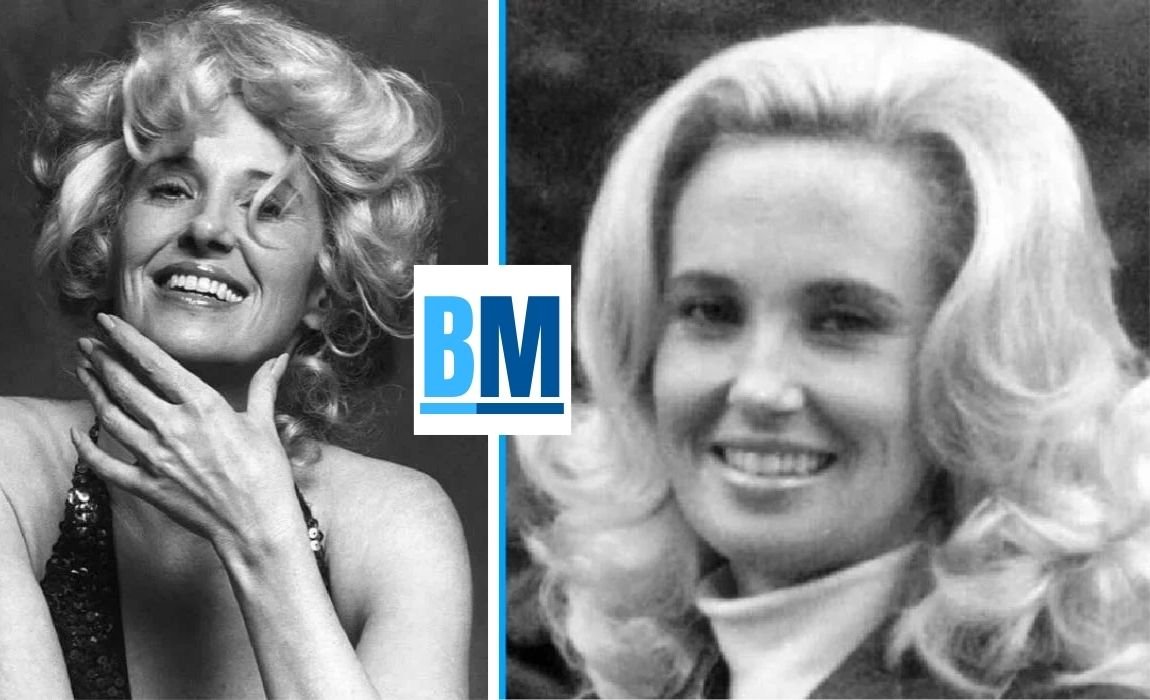
Gwendolyn Lee Byrd is a former American politician and jurist who served in the Texas House of Representatives before transitioning to a judicial career. Her trajectory through two branches of Texas government places her among a notable group of public servants who have shaped state policy both from the legislature and the bench. On a related note, Maria Aquinar: Career Path and Public Profile Overview adds useful context
How Gwendolyn Lee Byrd Entered Texas Public Life
Publicly available records offer limited detail about Byrd’s early life, education, and the specific circumstances that drew her into politics. Like many attorneys of her generation, she appears to have moved from community-level advocacy into formal politics, a path common among mid-twentieth-century women entering public service in the American South. Public records covering this story are gathered in Masterblaster (film)
Byrd won election to the Texas House of Representatives, where she represented her district during a period when women remained significantly underrepresented in the chamber. The Texas Legislature in the decades she served was overwhelmingly male, and each woman who secured a seat navigated institutional dynamics that differed sharply from those facing her male colleagues. Byrd’s successful campaign and her ability to win and hold office speak to both her personal determination and the support she built within her constituency.
Her time in the legislature coincided with a period of substantial change across Texas. The state’s population was growing rapidly, its economy was diversifying beyond agriculture and oil, and debates over civil rights, education funding, and infrastructure dominated the legislative agenda. As a sitting representative, Byrd would have participated in these consequential discussions, though the specific bills she sponsored or committees on which she served are not widely cataloged in digitized archives. Public records covering this story are gathered in Gwendolyn Lee Byrd: Where is Tammy Wynette's daughter now?
From the Texas House to the Judiciary
After completing her tenure in the Texas House of Representatives, Gwendolyn lee byrd moved into the judicial branch, a transition that, while uncommon, has a long tradition in American governance. She took on a judicial role in Texas, where she was responsible for presiding over cases, interpreting state statutes, and managing courtroom proceedings. The shift from legislator to judge gave her a rare vantage point on the legal system — she understood both how laws were crafted and how they played out in practice.
This dual experience is significant because it bridges two fundamentally different functions of government. Legislators write laws with broad application in mind, while judges must apply those laws to specific disputes and factual circumstances. Byrd’s career encompassed both perspectives, giving her insight into the gaps that sometimes emerge between legislative intent and judicial interpretation. Colleagues and legal professionals who worked alongside her during this period would have encountered someone who understood the practical consequences of statutory language from both sides of the process.
The judiciary in Texas during the era of Byrd’s service was also undergoing its own evolution. Courts were grappling with desegregation mandates, expanding civil liberties rulings from the federal level, and growing caseloads driven by population growth. A judge serving during this time needed not only legal competence but also the temperament to manage an increasingly complex docket. Byrd’s ability to sustain a judicial career suggests she met these demands.
What Is Confirmed and What Remains Unverified
Several core facts about Gwendolyn lee byrd are established through official state records and legal databases. She served as a member of the Texas House of Representatives. She subsequently held a judicial position in Texas.
Her exact years of legislative service and judicial appointment are not consistently reported across available references. Information about her family life, her activities after leaving the bench, and the specific court on which she served is similarly limited.
There are no widely reported controversies, landmark rulings, or signature legislative achievements directly attributed to Byrd in mainstream historical accounts. This absence should not be interpreted as evidence of an unremarkable career. Many public servants at the state level perform consequential work that simply does not generate national attention or extensive media coverage. The limited digitization of records from her era of service likely contributes to the gaps in the public record.
Researchers or family members seeking a more complete picture of Byrd’s life and career may need to consult Texas state archives, county-level court records, or local historical societies in the region she represented. These primary sources often contain details that never made it into published reference works.
Why Byrd’s Career Matters for Understanding Women in Texas Government
Gwendolyn lee byrd’s career offers a concrete case study in the challenges and opportunities facing women in Texas politics during a pivotal era. Her ability to win election to the legislature and then secure a judicial position demonstrates a level of professional credibility and public trust that was difficult for women to attain in mid-twentieth-century Texas. Each phase of her career required her to build coalitions, earn respect from peers, and navigate institutions that had been designed and dominated by men for generations.
Her story also highlights the importance of state and local government in American political life. While national politics attracts the most media attention, it is state legislators and local judges who make decisions affecting education, criminal justice, property rights, and family law on a daily basis. Byrd’s service in both of these arenas meant she influenced the lives of Texans through both the laws she helped shape and the cases she presided over.
As digitization efforts expand and more historical records become searchable online, the careers of figures like Gwendolyn lee byrd are likely to receive fuller documentation.