





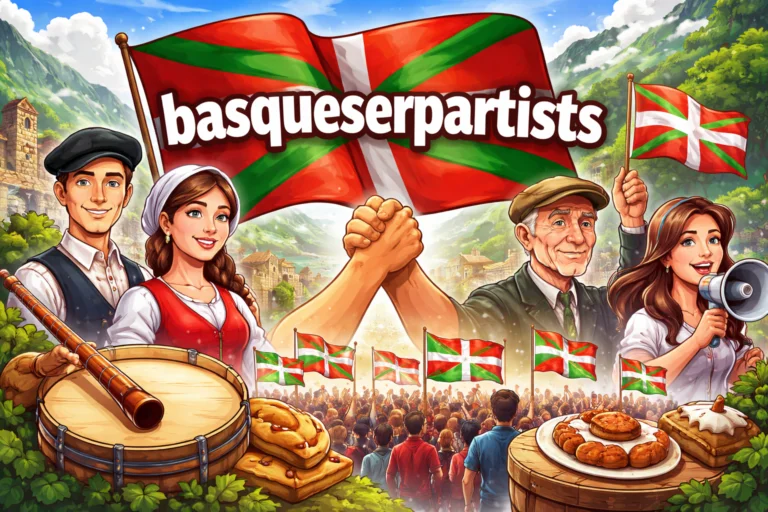
The Origin and Significance of the Basqueserpartists
The term ‘basqueserpartists‘ emerges from a rich tapestry of cultural and artistic traditions synonymous with the Basque region. This artistic movement signifies not just a style of expression but also embodies the essence of Basque identity, conveying the unique combination of language, history, and local heritage. The origins of the term can be traced back to the early 20th century when a group of artists sought to define their works as distinctly Basque, challenging external influences and emphasizing native themes and aesthetics.
Historically, the Basques have a distinct culture with traditions rooted in centuries of unique practices, sculpted by geographic isolation and the preservation of their language, Euskara. This cultural backdrop laid the groundwork for the rise of the basqueserpartists, who drew inspiration from their surrounding landscapes, folklore, and communal life. The movement encompasses diverse artistic expressions, including painting, sculpture, and performance arts that reflect the Basque way of life.
The significance of the basqueserpartists extends beyond mere artistic production; it serves as a symbol of resistance and resilience. In times of oppression, particularly during the Spanish Civil War and subsequent dictatorship, artists within this movement harnessed their creativity to voice their values, aspirations, and struggles. Hence, the significance of the basqueserpartists is anchored in their role as custodians of cultural identity and as active participants in the dialogue about Basque autonomy and recognition.
Understanding the origin and significance of the basqueserpartists allows for a deeper appreciation of their contributions to not only Basque culture but also to the global artistic landscape. Their works invite audiences to engage with the complexities of identity, tradition, and modernity within the context of an evolving cultural narrative.
Defining Features of Basqueserpartists’ Artwork
The artwork of basqueserpartists is characterized by a rich interplay of tradition and modernity, profoundly reflecting the values and identity of Basque culture. One notable aspect of their work is the integration of indigenous materials and techniques, showcasing a commitment to preserving cultural heritage. For instance, many basqueserpartists utilize local clay, stone, and wood, thus reinforcing a connection to the landscape and history of the Basque Country.
The themes prevalent in their artwork often revolve around storytelling, nature, and community. Basqueserpartists draw inspiration from folklore, historical events, and daily life experiences, manifesting this in their diverse art forms, including painting, sculpture, and textiles. The narratives embedded in their creations often explore shared identities and collective memory, fostering a sense of belonging among the community.
Additionally, the techniques employed by these artists exhibit a unique blend of contemporary and traditional methods. For example, paintings might incorporate ancient motifs alongside modern abstraction, allowing for a dialogue between past and present. Sculpture can take various forms, ranging from meticulously carved woodworks to innovative installations that engage with the environment in interactive ways.
Color palettes also play a significant role in the artwork of basqueserpartists, often featuring earthy tones that evoke the natural landscapes of the Basque region. The use of vibrant colors in textiles reflects the vitality of a culture that thrives on communal celebrations and traditional festivals.
In essence, the distinct characteristics of basqueserpartists’ artwork not only highlight individual creativity but also serve as a powerful medium for articulating the themes and values that define the Basque community. This artistic expression stands as a testament to the resilience and dynamism of Basque identity, resonating with both local and global audiences.
The Role of Community and Collaboration Among Basqueserpartists
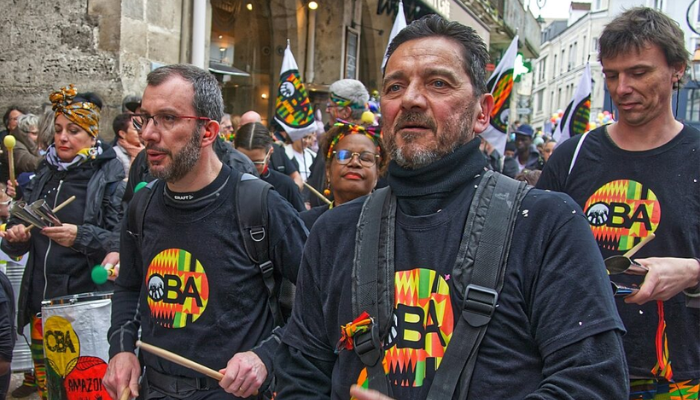
The vibrant community of basqueserpartists is integral to the thriving landscape of Basque art and culture. Their collaboration extends beyond individual artistic expression; it fosters an environment where creativity can flourish. This ecosystem is supported by various cultural events, exhibitions, and artist collectives that bring together talented individuals who share a passion for transforming their ideas into compelling works of art.
Events such as art fairs and open studios invite both participants and audiences to engage directly with the artistic process. These gatherings encourage dialogue and collaboration among basqueserpartists, paving the way for innovative projects that might not emerge in isolation. By connecting artists across different disciplines and backgrounds, these initiatives nurture a community that values shared experiences and collective growth.
Moreover, collectives composed of basqueserpartists offer structural support for artists looking to collaborate on larger projects. These groups not only provide a platform for collaboration but also serve as advocates for the arts within the wider community, emphasizing the importance of local culture. As artists work together on murals, installations, or performances, they create a sense of belonging and a united front that enhances the visibility of the Basque artistic scene.
The impact of collaboration among basqueserpartists goes beyond the individual artists themselves. It creates a ripple effect, reaching audiences who gain deeper insights into the artistic practices and cultural values of the Basque community. This participatory approach not only strengthens relationships among artists but also invites the public to experience the vibrancy of Basque culture in a more immersive way. Therefore, community engagement is essential in sustaining the dynamic nature of the arts in this region.
The Future of Basqueserpartists: Challenges and Opportunities
The trajectory of basqueserpartists is shaped by a mixture of challenges and opportunities that are fundamentally intertwined with the evolving global art landscape. As this artistic movement continues to gain traction, it faces hurdles such as limited visibility and funding, which are commonly encountered by emerging art forms. Moreover, the basqueserpartists often find themselves competing in a market saturated with various artistic expressions, necessitating innovative approaches to capture and retain audience interest.
Technological advancements present both a challenge and an opportunity for basqueserpartists. On one hand, the rapid pace of digital media can overshadow traditional artistic forms, making it imperative for basqueserpartists to adapt and leverage platforms that enhance their visibility. This can include the use of social media and online galleries, which allow artists to reach broader audiences and establish networks beyond physical boundaries. On the other hand, the ability to create immersive and interactive art experiences through technology can provide unique avenues for expression, allowing the basqueserpartists to redefine their craft and engage with diverse demographics.
Sociopolitical factors also play a crucial role in shaping the future of basqueserpartists. Movements advocating for cultural awareness and diversity are gaining momentum globally, presenting a favorable environment for the basqueserpartists to flourish. However, sensitivity to the political climate and its implications on artistic expression is essential, as differing regulations and public sentiments can impact the ability to create and share work freely.
In summary, the future landscape for basqueserpartists hinges on a delicate balance between leveraging technology and navigating sociopolitical challenges. Encouraged by the growing recognition of diverse artistic voices, the basqueserpartists are well-positioned to evolve and thrive in this dynamic environment, guided by both tradition and innovation.