




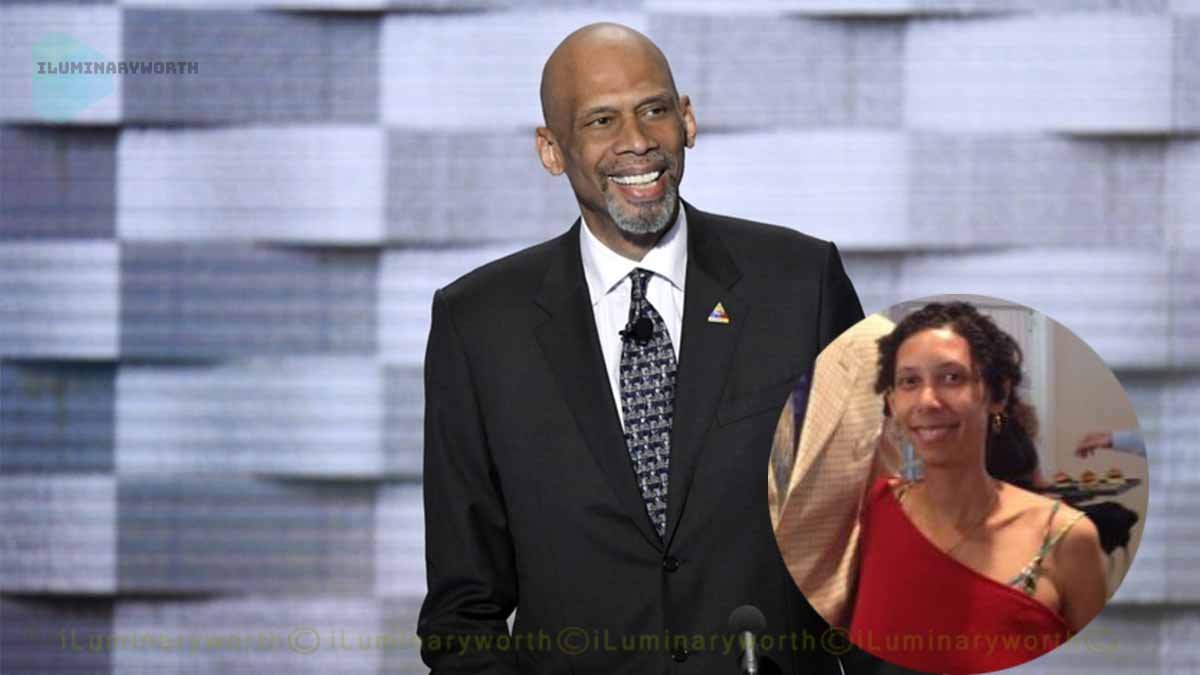
In 1971, a young woman named Habiba Abdul Jabbar married NBA superstar Kareem Abdul-Jabbar. The couple divorced in 1978, but her story remains intertwined with his legacy. This article explores her biography, family life, and the misconceptions surrounding her identity.
Common Misconceptions About Habiba Abdul Jabbar’s Identity
Many assume Habiba Abdul Jabbar was a public figure due to her marriage. In reality, she has maintained a private life away from media attention. Her birth name is not widely publicized, and she converted to Islam before or during her marriage. Some sources incorrectly claim she was a celebrity in her own right, but she never pursued a public career. Her biography is often referenced only in the context of Kareem Abdul-Jabbar’s personal life. Public records covering this story are gathered in Habiba Abdul-Jabbar: Life, Career and Legacy
Background and Marriage to Kareem Abdul-Jabbar
Habiba Abdul Jabbar married Kareem Abdul-Jabbar in 1971, a time when the basketball star was at the height of his career. The couple had three children: daughters Sultana and Sakinah, and son Amir. Habiba embraced Islam, which influenced her name change and lifestyle. The marriage ended in divorce in 1978, partly due to Kareem’s own conversion to Islam and personal changes. Habiba focused on raising their children in a Muslim household, away from the spotlight.
| Aspect | Details |
|---|---|
| Marriage Year | 1971 |
| Divorce Year | 1978 |
| Children | Sultana, Sakinah, Amir |
| Religion | Islam (converted) |
| Public Profile | Private, minimal media presence |
Current Status and Recent Mentions
Habiba Abdul Jabbar has not pursued a public career or significant media presence. She is occasionally mentioned in Kareem Abdul-Jabbar’s memoirs and interviews, where he reflects on their marriage and family. Recent developments include her being referenced in discussions about Kareem’s personal life, but she has not given interviews or made public appearances.
Cultural Relevance and Impact
Habiba Abdul Jabbar’s story resonates with those interested in the personal lives of sports legends. Her role as a mother raising three children in a Muslim household highlights the intersection of faith and family. While she never sought fame, her biography offers insight into the private side of a public figure. Readers curious about her life can find more details in Kareem Abdul-Jabbar’s writings and biographies.
Frequently Asked Questions
How does Habiba Abdul Jabbar differ from other NBA wives?
Unlike many NBA wives who embrace public attention, Habiba Abdul Jabbar has maintained a private life. She did not pursue a career in entertainment or media, focusing instead on raising her children in a Muslim household.
Why did Habiba Abdul Jabbar and Kareem Abdul-Jabbar divorce?
The divorce in 1978 occurred amid Kareem’s conversion to Islam and personal changes. The couple grew apart, and Habiba chose to raise their children away from the public eye.
Who is Habiba Abdul Jabbar?
Habiba Abdul Jabbar is the former wife of NBA legend Kareem Abdul-Jabbar. She converted to Islam and is the mother of their three children. She has largely stayed out of the media spotlight.
How many children did Habiba Abdul Jabbar have?
Habiba Abdul Jabbar had three children with Kareem Abdul-Jabbar: daughters Sultana and Sakinah, and son Amir.
What is Habiba Abdul Jabbar best known for?
She is best known for being the first wife of Kareem Abdul-Jabbar and for raising their children in a Muslim household. Her private life contrasts with the fame of her ex-husband.
Misunderstandings About Her Role in Kareem’s Life
Some narratives suggest Habiba Abdul Jabbar influenced Kareem’s conversion to Islam. However, Kareem has stated in his autobiography that his spiritual journey was personal and predated their marriage. Habiba’s own faith was a separate path. The couple’s religious differences may have contributed to their separation, but both remained committed to raising their children with Islamic values. This nuance is often lost in simplified retellings.
Legacy Through Her Children
Habiba Abdul Jabbar’s legacy is most evident in her children. Sultana, Sakinah, and Amir have largely stayed out of the spotlight, reflecting their mother’s preference for privacy. Kareem has spoken warmly of his children’s upbringing, crediting Habiba for their strong moral foundation. While the children have not pursued public careers, they represent the lasting impact of Habiba’s dedication to family and faith.
Why Her Story Matters Beyond the Headlines
Habiba Abdul Jabbar’s biography offers a rare glimpse into the personal sacrifices made by those connected to sports icons. Her choice to remain private challenges the assumption that fame is inevitable for those close to celebrities. By focusing on her family, she carved a life defined by faith and motherhood rather than public recognition. This narrative resonates with readers who value authenticity over celebrity culture.
Her story also highlights the complexities of interfaith relationships in the 1970s. At a time when conversions to Islam were less common in the United States, Habiba’s commitment to her faith was a personal and deliberate decision. Her journey reflects broader themes of identity and spirituality that remain relevant today.